Chapter 01 — The Shirts
The Formal Shirt EditAn essay on men’s formal shirts
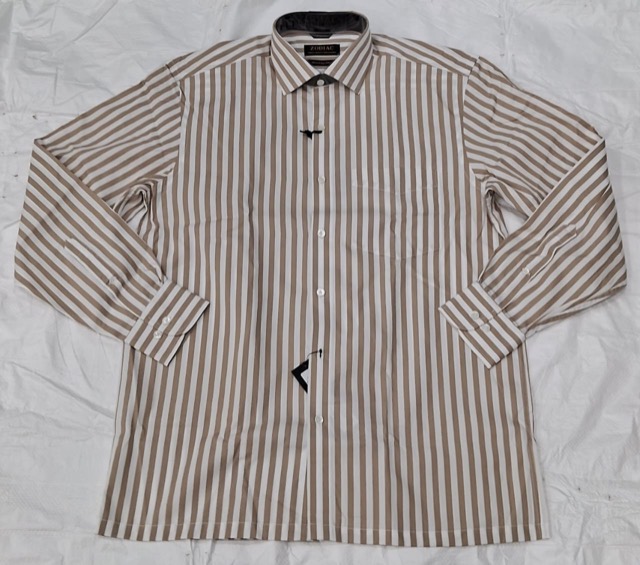
The formal shirt began life hidden under layers of cloth and ended up as the most visible garment in a man’s working wardrobe. This edit follows that journey, and explains what to look for in formal shirts for men today: silhouette, fit, fabric, construction and colour.
The evolution of the formal shirt in six movements
- Before the 1800s
The hidden garment
For centuries the shirt was underwear: a loose linen layer worn against the skin to protect expensive outer clothes. Only the collar and cuffs were meant to be glimpsed, and their whiteness was a sign of status, because it meant the wearer could afford to keep them clean.
- The 19th century
The detachable collar
Starched collars and cuffs that could be removed and laundered separately allowed men to look freshly turned out without washing the whole shirt. The phrase “white collar” still carries the memory of this era.
- 1920s – 1930s
The attached collar
Softer, attached collars gradually replaced stiff detachable ones. The shirt began to be designed as a single, coherent garment, and front-buttoning shirts that opened all the way down became the norm.
- Mid-century
The business shirt
As office work expanded, the white or pale blue shirt became the uniform of professional life worldwide. Collar shapes, cuff styles and fabric weights were refined into the vocabulary we still use.
- Late 20th century
Dressing down
Relaxed office codes brought colour, stripes, checks and button-down collars into workplaces that once allowed only white. The shirt was increasingly worn without a tie, and sometimes without a jacket.
- Today
Formality, redefined
Modern formal shirts balance tradition with comfort: closer silhouettes, lighter fabrics suited to warm cities like Mumbai, and a wider palette. The rules are fewer, so the choices carry more meaning.
Classic versus contemporary formal shirts
Classic
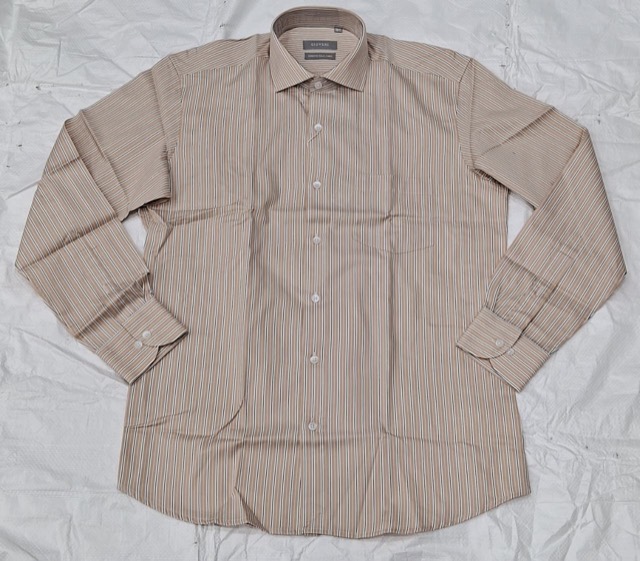
The classic formal shirt is conservative by design. It aims to disappear into a well-made suit, letting the tie and the wearer speak. Its pleasures are subtle: a perfect collar roll, a cuff that sits exactly at the wrist.
| Classic | Element | Contemporary |
|---|---|---|
| Point or semi-spread | Collar | Cutaway, band, contrast |
| White, blue, fine stripe | Colour | Deep tones, tonal patterns |
| Regular, with ease | Fit | Closer, tapered |
| Hidden, tonal | Detail | Panels, piping, contrast trims |
| Suit and tie | Worn with | Blazer, knitwear or alone |
Contemporary
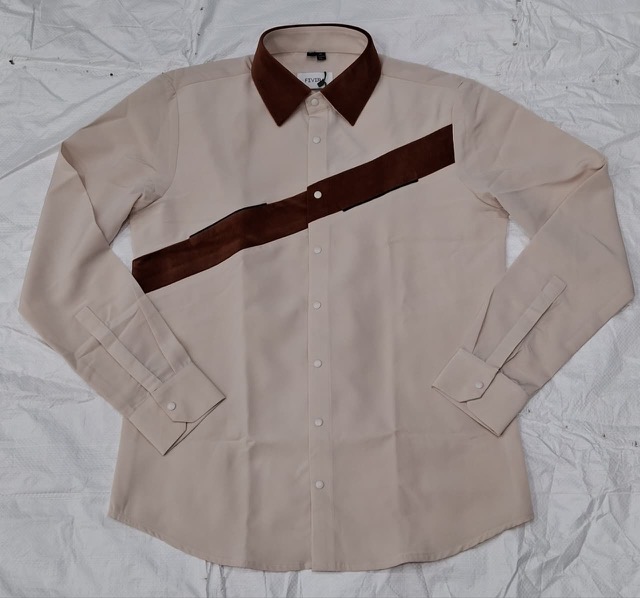
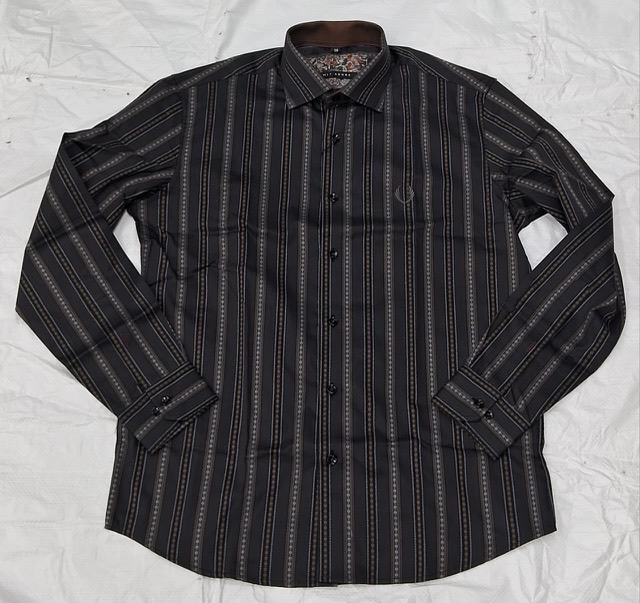
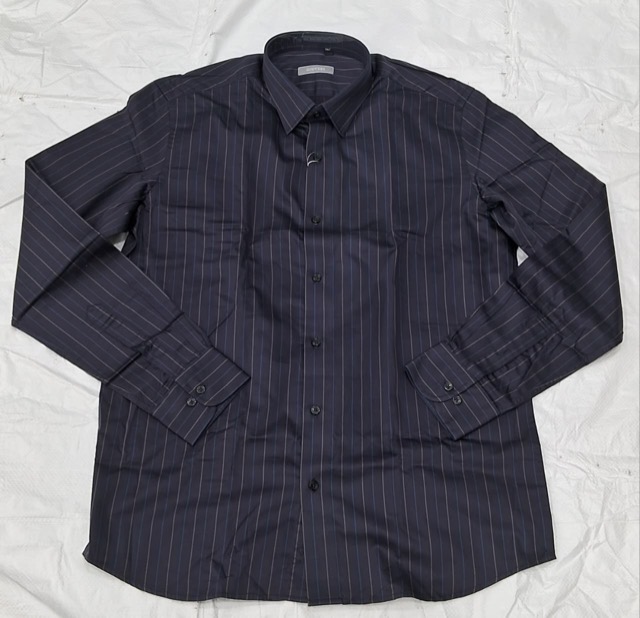
The contemporary formal shirt is designed to be noticed, but politely. A contrast collar, a band of colour or an unexpected shade turns a working shirt into a point of view while staying within the boundaries of professional dress.
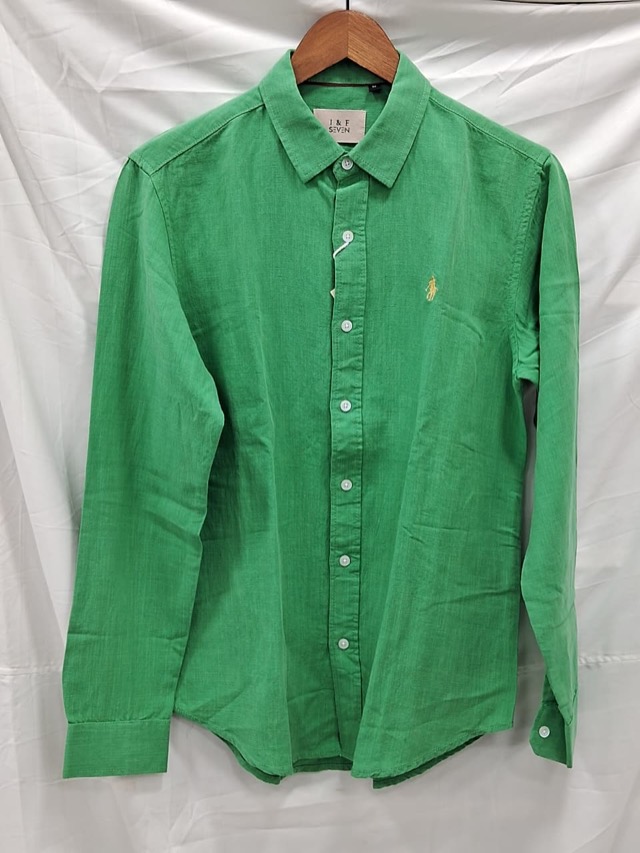
Understanding formal shirt silhouettes
Five lines that shape a shirt
- Shoulder
- The shoulder seam should meet the edge of your shoulder bone. Too far in and the shirt pinches; too far out and the whole silhouette slumps.
- Chest
- The fabric should lie flat across the chest with no pulling at the buttons when you sit, reach or breathe deeply.
- Waist
- Tapered silhouettes narrow from chest to waist; straight silhouettes fall vertically. The right choice depends on your build, not on fashion.
- Sleeve
- The sleeve should allow you to bend your arm without the cuff riding up your forearm, and end at the base of the thumb.
- Hem
- A curved, longer hem is made for tucking; a straighter, shorter hem is meant to be worn out. Formal shirts should stay tucked through a full day.
The importance of fit
The six-point fit test
No fabric or colour can rescue a shirt that does not fit. Before anything else, try a formal shirt against these six checks, ideally while wearing the trousers and jacket you plan to pair it with.
- The collar. Fastened, it should admit one or two fingers, no more.
- The shoulders. Seams at the shoulder bone, with no drop down the arm.
- The buttons. No gaping or pulling across the chest when seated.
- The sleeves. Cuffs reach the wrist bone with arms relaxed at your sides.
- The cuffs. Snug enough not to slide over the hand, loose enough for a watch.
- The length. Stays tucked when you raise your arms above your head.
Fabric characteristics
Cloth has a temperament
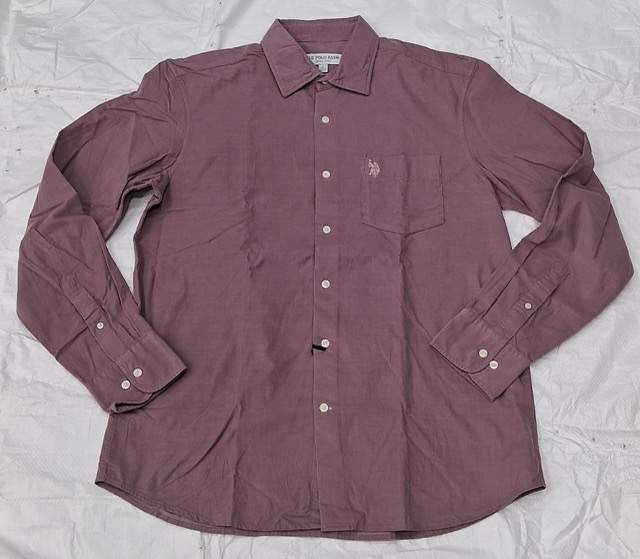
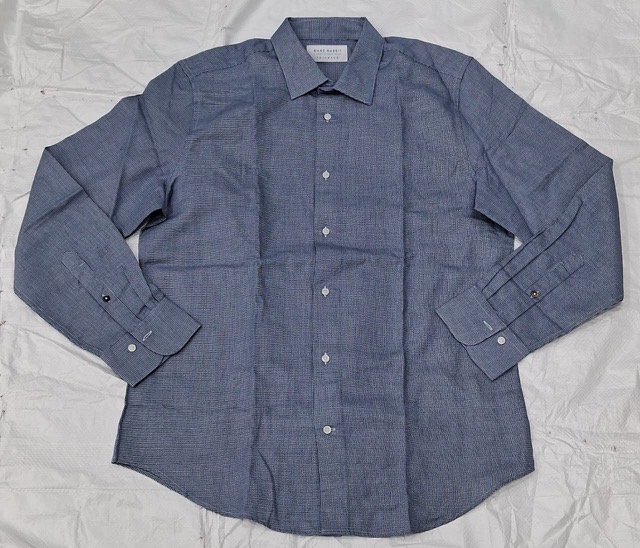
Every shirting fabric has a personality made up of four traits: its surface (smooth, matte, ribbed or textured), its weight (how much the cloth weighs, which affects drape and warmth), its handle (how it feels against the skin) and its recovery (how well it resists creasing through a day).
Smooth, tightly woven cloths look the most formal and take a sharp press. Softer, more open weaves feel cooler and more relaxed, and are often the better choice through Mumbai’s humid months, especially for long commutes.
A closer look in Fabric & DetailsShirt construction
What holds a shirt together
Construction is the part of a shirt you feel more than see. A good shirt is assembled with care at the points of greatest stress and greatest visibility.
- Collar. An interlining inside the collar gives it shape; removable collar stays keep the points crisp.
- Yoke. The panel across the upper back distributes the shirt’s weight. A split yoke, cut in two pieces, can follow the shoulders more closely.
- Placket. The strip that carries the buttons can be a visible front placket or a cleaner French front with no placket at all.
- Seams. Fine, dense stitching lies flatter and lasts longer than loose, wide stitches.
- Sleeve placket. A small button above the cuff keeps the sleeve opening closed and neat.
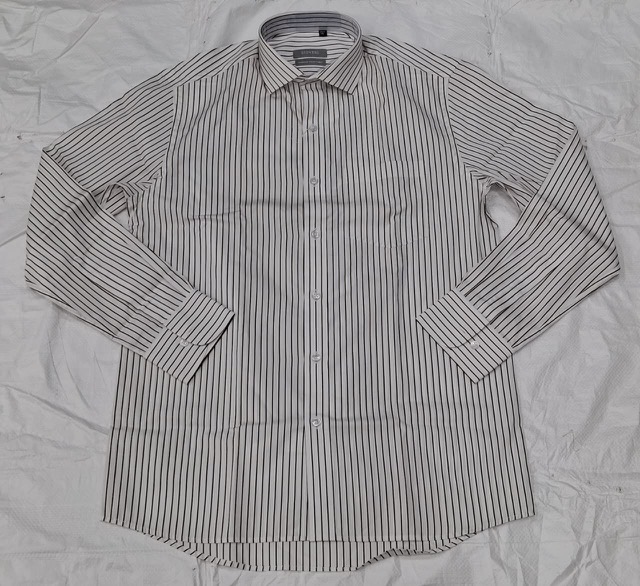
Colour selection
Beyond white: a working spectrum
White and blue are the foundation of formal dressing. Once those are in place, considered colour makes a wardrobe feel personal. As a rule of thumb, the darker or more saturated the shirt, the less formal it reads. Match intensity to the occasion, and keep the trousers quieter than the shirt.
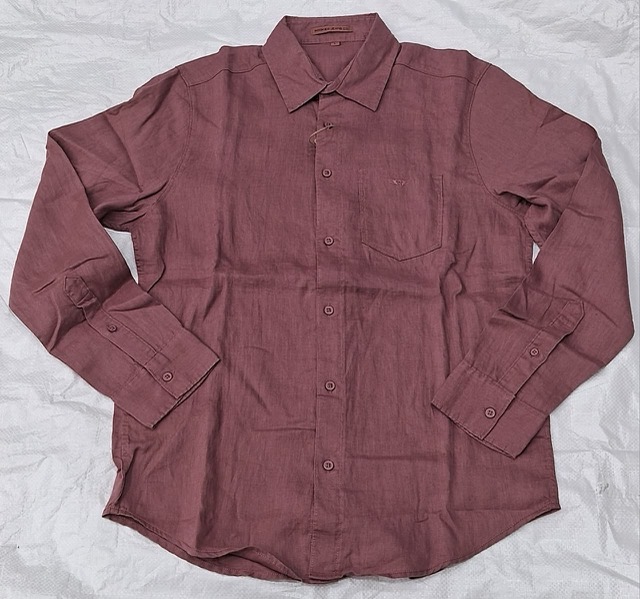
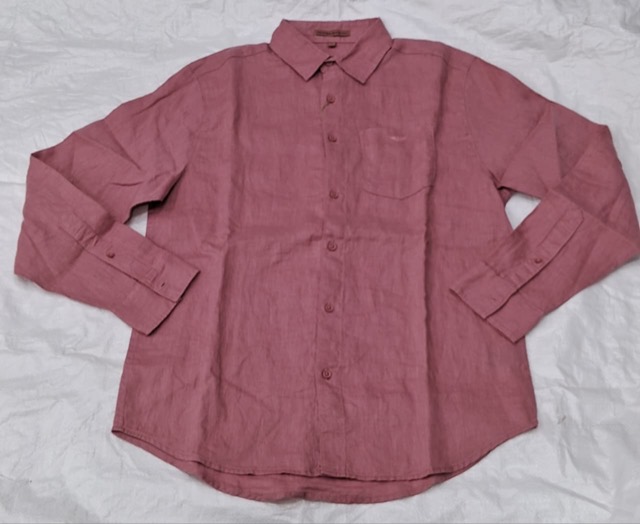
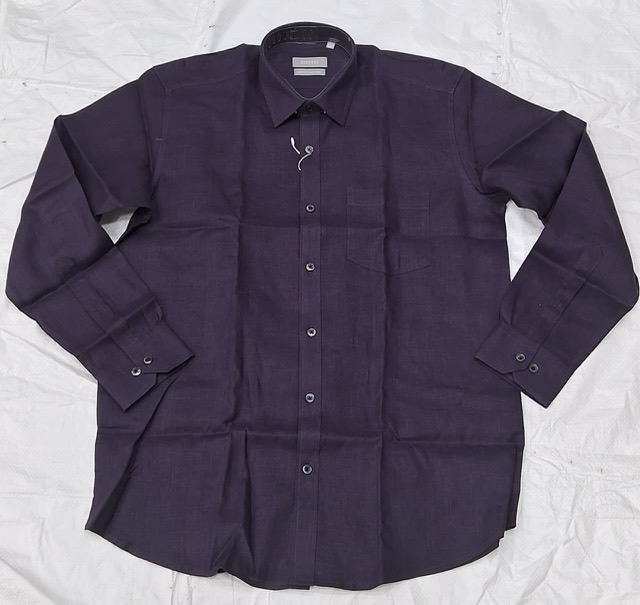
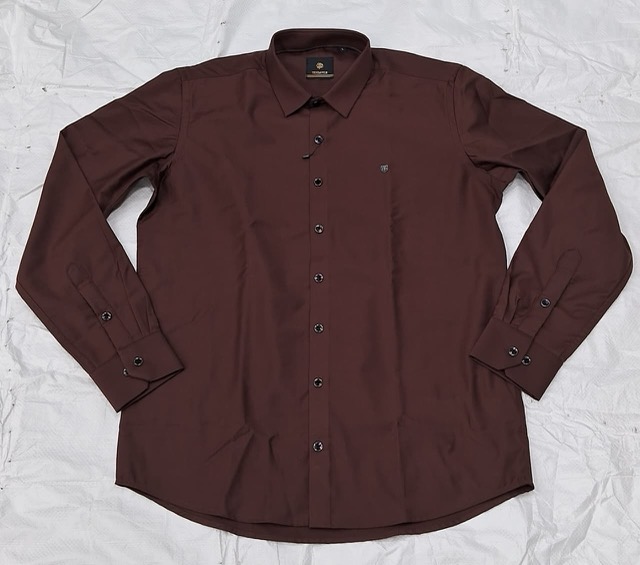
Warm complexions tend to suit cream, rust, olive and warm pinks; cooler complexions often look sharpest in clear blue, grey, lilac and crisp white. Strong contrast between shirt and skin draws the eye up; low contrast feels calmer.
One shirt, three ways
Styling versatility is the true test of a formal shirt. A good one should move between at least three levels of formality without looking out of place in any of them.
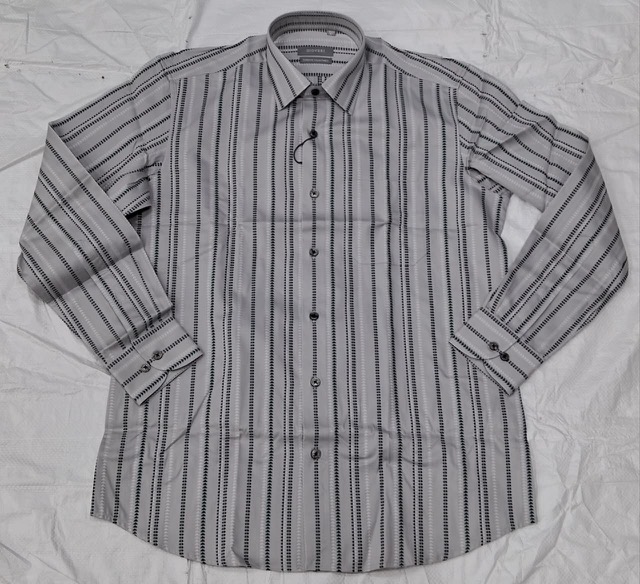
- FormalCharcoal suit, a navy grenadine tie, black oxford shoes. Collar stays in, cuffs showing a centimetre below the sleeve.
- Business casualNavy blazer, grey trousers, no tie, top button open. Brown loafers or derbies.
- Smart casualTucked into chinos or dark denim with a woven belt, sleeves turned back twice for a warm evening.